In today’s hyper competitive digital world, simply having a great product or service is not enough. Businesses need a strategic, data driven approach to attract, convert, and retain customers. That is exactly where a growth marketing agency comes in.
Whether you are a startup looking to gain traction or an established brand aiming to scale, a growth marketing agency can be the game changer you need. In this comprehensive guide, we will break down everything you need to know about growth marketing agencies, how they work, what services they offer, and how they can help your business achieve measurable, sustainable results.
Ready to scale your business with data driven strategies? Visit Mega Hives
What Is a Growth Marketing Agency?
A growth marketing agency is a specialised firm that focuses on driving measurable business growth through a combination of data analysis, creative experimentation, and full funnel marketing strategies. Unlike traditional marketing agencies that often prioritise brand awareness alone, a growth marketing agency zeroes in on every stage of the customer journey, from first impression all the way to long term customer loyalty.
The concept is rooted in the idea popularised by Silicon Valley startups: grow fast, test often, and optimise relentlessly. Growth marketing agencies bring this mindset to businesses of all sizes, using tools and frameworks like A/B testing, conversion rate optimisation (CRO), SEO, paid media, lifecycle email marketing, and product analytics to drive real, quantifiable outcomes.
At its core, a growth marketing agency is outcome obsessed. Every campaign, every piece of content, and every dollar spent is measured against key performance indicators (KPIs) that directly tie back to business growth such as customer acquisition cost (CAC), lifetime value (LTV), monthly recurring revenue (MRR), and return on ad spend (ROAS).
Growth Marketing vs. Traditional Marketing: What Is the Difference?
To truly understand the value of a growth marketing agency, it helps to compare it with traditional marketing approaches:
Traditional Marketing
- Focuses primarily on brand awareness and reach
- Uses broad channels such as TV, print, and radio
- Results are often difficult to measure precisely
- Campaigns are typically long term with slow feedback loops
- Prioritizes aesthetics and brand storytelling
Growth Marketing
- Focuses on the full funnel: awareness, acquisition, activation, retention, referral, and revenue
- Uses data to run rapid experiments and optimize channels
- Results are measurable, trackable, and tied to business KPIs
- Campaigns are agile, with fast feedback and iteration cycles
- Balances creativity with analytics and performance
A growth marketing agency bridges the gap between strategy and execution. It does not just plan campaigns; it continuously tests, learns, and improves based on real world data. This approach is especially critical for startups, SaaS companies, e commerce brands, and B2B businesses looking to scale efficiently.
Core Services Offered by a Growth Marketing Agency
A reputable growth marketing agency typically offers a wide range of services that work together to drive growth across the entire funnel. Here is a breakdown of the most common services:
1. Search Engine Optimization (SEO)
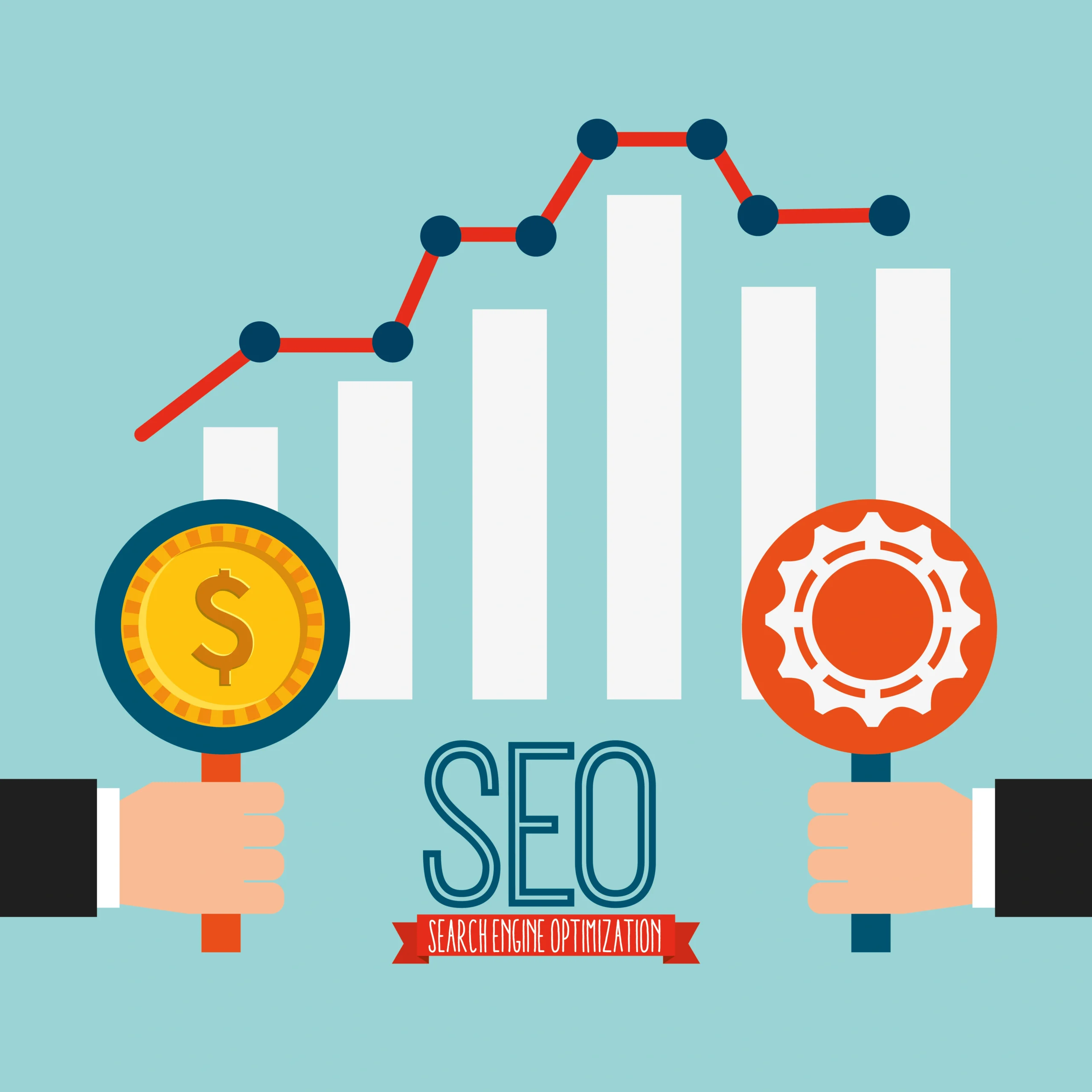
SEO is the foundation of long term organic growth. A growth marketing agency conducts in depth keyword research, optimises on page content, builds authoritative backlinks, and improves technical SEO to help your website rank higher on Google and other search engines. Unlike paid ads, SEO delivers compounding returns over time, making it one of the most cost effective growth channels available.
2. Paid Media and Performance Advertising
From Google Ads and Meta Ads to LinkedIn campaigns and programmatic advertising, growth marketing agencies manage paid media strategies to drive targeted traffic at scale. They focus on optimising ad spend to lower CAC and improve ROAS, continuously testing ad creatives, audiences, and bidding strategies to maximise results.
3. Conversion Rate Optimization (CRO)
Getting traffic is only half the battle. CRO focuses on converting more visitors into leads, customers, or subscribers. Growth marketing agencies use heatmaps, user session recordings, A/B testing, and UX analysis to identify friction points on your website and landing pages, then systematically improve them to boost conversions without increasing ad spend.
4. Content Marketing
High quality, targeted content builds trust, drives organic traffic, and nurtures leads through the funnel. Growth marketing agencies develop content strategies that align with your audience’s pain points and search intent, producing blog posts, case studies, whitepapers, videos, and infographics that generate both traffic and conversions.
5. Email and Lifecycle Marketing
Retention is just as important as acquisition. Growth marketing agencies design automated email sequences, onboarding flows, and re engagement campaigns that keep customers coming back. By segmenting audiences and personalising messaging, they increase open rates, click through rates, and overall customer lifetime value.
6. Social Media Marketing and Growth
Whether it is organic social media management or paid social campaigns, growth marketing agencies help brands build engaged communities and reach new audiences across platforms like Instagram, LinkedIn, TikTok, and X (formerly Twitter). They use data to determine which platforms, content formats, and posting frequencies drive the most engagement and conversions.
7. Analytics and Reporting
Every growth marketing agency worth its name is obsessed with data. They set up robust analytics frameworks using tools like Google Analytics 4, Mixpanel, HubSpot, and custom dashboards to track performance, attribute conversions accurately, and make data informed decisions. Regular reporting ensures transparency and continuous improvement.
How Does a Growth Marketing Agency Work?
When you partner with a growth marketing agency, the process typically follows a structured yet flexible framework:
Step 1: Discovery and Audit
The agency begins by thoroughly understanding your business, target audience, current marketing performance, competitive landscape, and growth goals. This includes auditing existing channels, reviewing analytics data, and identifying quick wins as well as long term opportunities.
Step 2: Strategy Development
Based on the discovery phase, the agency builds a customised growth strategy tailored to your business model and objectives. This strategy outlines which channels to prioritise, what experiments to run, what content to create, and what KPIs to track.
Step 3: Execution and Experimentation
With the strategy in place, the agency executes campaigns and experiments across multiple channels simultaneously. The key differentiator here is the growth hacking mindset: test fast, learn faster, and double down on what works.
Step 4: Measurement and Optimization
Continuous monitoring and optimisation are at the heart of what makes a growth marketing agency different. Using real time data, the team identifies what is performing well and what needs improvement, making adjustments on a weekly or even daily basis.
Step 5: Scaling
Once winning strategies are identified and proven through testing, the agency scales them up to maximise impact. This could mean increasing ad budgets, expanding content production, entering new markets, or launching new product led growth initiatives.
Who Needs a Growth Marketing Agency?
Growth marketing agencies are not just for tech startups. Any business that wants to grow faster and smarter can benefit from their expertise. Ideal clients include:
- Startups looking to achieve product market fit and scale user acquisition
- SaaS companies focused on reducing churn and increasing MRR
- E commerce brands wanting to improve conversion rates and customer retention
- B2B companies aiming to generate more qualified leads and shorten sales cycles
- Established brands seeking to modernize their marketing and compete in the digital age
Looking for a trusted growth marketing partner to take your brand to the next level? Visit Mega Hives
Key Benefits of Hiring a Growth Marketing Agency
Partnering with a growth marketing agency offers several distinct advantages over building an in house team or relying on traditional agencies:
Access to a Full Team of Experts
A growth marketing agency gives you instant access to a diverse team of specialists, including SEO experts, paid media managers, content strategists, CRO analysts, data scientists, and creative designers, without the overhead of full time salaries and benefits.
Faster Results Through Experimentation
Because growth marketing agencies run structured experiments and optimise in real time, businesses often see measurable improvements much faster compared to traditional marketing approaches.
Scalable and Flexible Engagement
Growth marketing agencies offer flexible engagement models, from project based work to ongoing retainers. This flexibility allows businesses to scale their marketing investment up or down based on budget, goals, and growth stage.
Data Driven Decision Making
Every recommendation and strategy is backed by data, not guesswork. This means less wasted budget and more predictable growth outcomes, which is especially valuable for businesses with limited resources.
Fresh Perspectives and Industry Insights
An external growth marketing agency brings a fresh set of eyes and broad cross industry experience. They often spot growth opportunities that internal teams overlook, bringing innovative strategies and proven frameworks from other industries.
What to Look for When Choosing a Growth Marketing Agency
Not all growth marketing agencies are created equal. Here are the key factors to evaluate before making your decision:
- Proven Track Record: Look for case studies, client testimonials, and measurable results across industries similar to yours.
- Transparency: A trustworthy agency provides clear reporting on performance metrics and is upfront about what is and is not working.
- Channel Expertise: Make sure the agency has deep expertise in the specific channels most relevant to your business, whether that is SEO, paid social, email, or content.
- Custom Approach: Beware of one size fits all packages. The best growth marketing agencies take the time to understand your unique business and build tailored strategies.
- Cultural Fit: You will be working closely with this team, so alignment in communication style, values, and work ethic matters.
- Technology and Tools: Leading agencies use advanced tools for analytics, automation, and competitive intelligence to give you an edge.
Why Mega Hives Is Your Ideal Growth Marketing Agency
At Mega Hives, we combine the precision of data driven marketing with the creativity of world class storytelling to deliver growth that lasts. Whether you need to drive more organic traffic, lower your customer acquisition cost, or build a retention engine that keeps customers coming back, our team of growth experts is ready to make it happen.
We do not believe in cookie cutter solutions. Every client receives a fully customised growth strategy built on deep research, rapid experimentation, and continuous optimisation. From SEO and content marketing to paid media and CRO, we cover the full spectrum of growth marketing with one goal in mind: your success.
Our approach is rooted in transparency, accountability, and results. When you work with Mega Hives, you get a dedicated partner committed to your growth every step of the way.
Take the first step toward sustainable growth today. Visit Mega Hives
Conclusion
A growth marketing agency is more than just a vendor; it is a strategic partner dedicated to helping your business grow faster and smarter. By combining data analysis, creative experimentation, and full funnel marketing expertise, growth marketing agencies deliver measurable results that translate directly into business success.
Whether you are a startup trying to find your footing, a scale up looking to accelerate, or an enterprise brand seeking to modernise your marketing, a growth marketing agency can be the catalyst that transforms your trajectory.
At Mega Hives, we are passionate about helping businesses like yours unlock their full growth potential. Our team of experienced growth marketers is ready to build and execute a custom strategy that drives real, lasting results.
Frequently Asked Questions
What does a growth marketing agency do?
A growth marketing agency helps businesses grow by using data driven strategies across the full customer funnel, including SEO, paid ads, CRO, content marketing, email automation, and analytics to drive measurable results.
How is a growth marketing agency different from a digital marketing agency?
A digital marketing agency typically focuses on executing specific marketing tasks like running ads or managing social media. A growth marketing agency takes a broader, more strategic view, focusing on the entire customer lifecycle and using rapid experimentation to optimise for business growth metrics.
How much does it cost to hire a growth marketing agency?
Costs vary widely depending on the scope of work, agency size, and services required. Monthly retainers typically range from $3,000 to $20,000 or more for full service engagements. Many agencies also offer project based pricing.
How long does it take to see results from a growth marketing agency?
Timelines depend on the channels used and your starting point. Paid media can drive results within days, while SEO and content marketing typically take three to six months to show significant impact. Growth strategies compound over time for the best long term results.
Can a small business benefit from a growth marketing agency?
Absolutely. Growth marketing agencies work with businesses of all sizes. For small businesses, they can be especially valuable because they help allocate limited budgets more efficiently through data driven experimentation rather than guesswork.
What industries do growth marketing agencies specialise in?
Most growth marketing agencies work across multiple industries, with particular expertise in SaaS, e commerce, fintech, healthcare, B2B services, and consumer apps. Some agencies specialise in specific verticals, so it is worth looking for one with experience in your sector.
What is growth hacking and how does it relate to a growth marketing agency?
Growth hacking is a mindset that prioritises rapid experimentation across marketing and product channels to identify the most effective ways to grow a business. Growth marketing agencies adopt this mindset by systematically testing hypotheses, analysing results, and scaling what works.
Do I need a large budget to work with a growth marketing agency?
Not necessarily. While larger budgets allow for more channels and faster scaling, many growth marketing agencies work with businesses at various budget levels. The key is starting with a focused strategy on the highest impact channels and scaling as results are proven.
How do growth marketing agencies measure success?
Growth marketing agencies track a range of KPIs, including customer acquisition cost (CAC), return on ad spend (ROAS), customer lifetime value (CLV), conversion rates, organic traffic growth, email open and click rates, and monthly recurring revenue (MRR), depending on your business goals.
How do I know if a growth marketing agency is right for my business?
If your business needs faster growth, more efficient marketing spend, or a data driven approach to customer acquisition and retention, partnering with a growth marketing agency is a strong strategic move. Look for agencies that offer a free consultation or audit to assess your needs before committing.
Mega Hives | 460 North Arthur St, Apt A102, Kennewick, WA 99336